How to Study When You Have No Light and No Data
NEPA took light, your data has finished, and you still have a test on Monday. Here is the exact low-power, offline study system I used to keep my CGPA alive.
5 min read
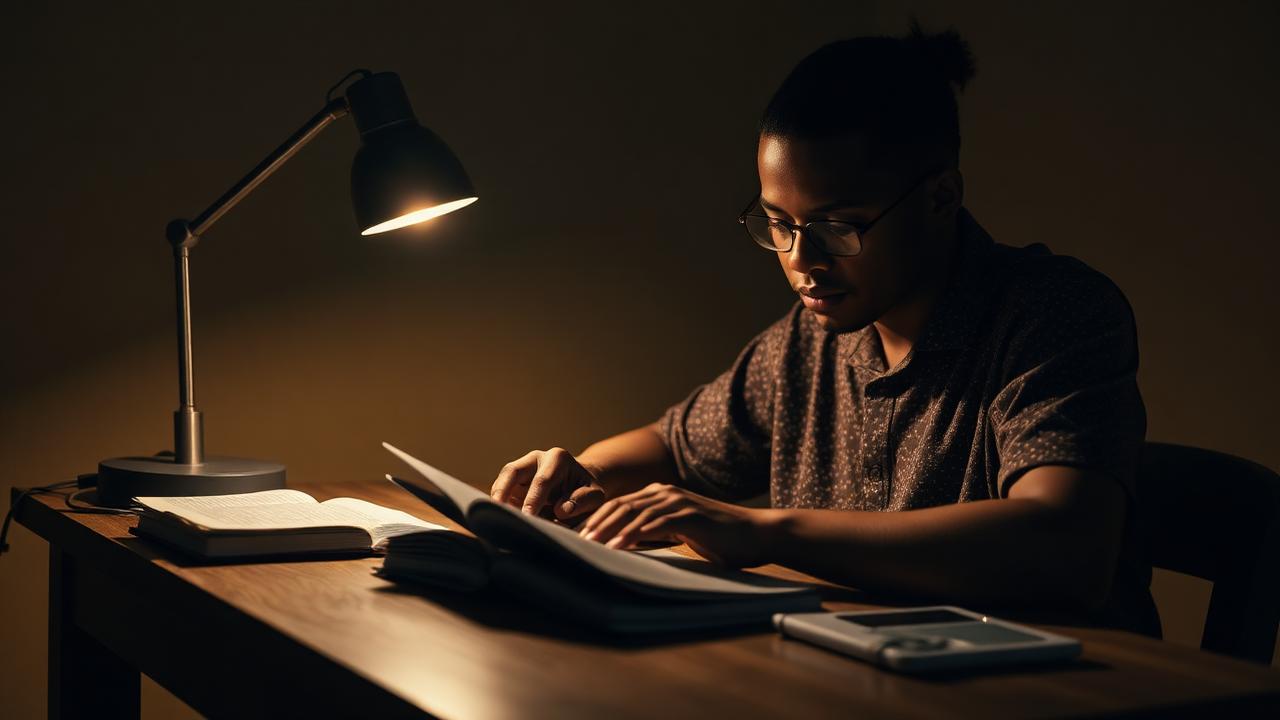
The night before my Thermodynamics test, NEPA took light at 6:40 p.m. My laptop had 22 percent battery, my data bundle had 38MB left, and the PDF I needed was sitting in a WhatsApp group I could not load. I remember standing outside the hostel looking at the transformer like it owed me money.
That night taught me something I still believe: light and data are conveniences, not requirements. The students who struggle when NEPA strikes are the ones whose entire study system depends on being plugged in. If you build an offline-first system, a blackout becomes an inconvenience instead of a disaster.
Here is exactly how to do it.
First, accept that reading offline is actually better
You are not being punished. When there is no light and no data, three things disappear at once: notifications, YouTube, and the temptation to "just check something small." Every serious reading session I have ever had happened in a room where nothing was buzzing.
So stop treating a blackout as lost time. Treat it as forced deep work.
Build an offline pack before you need it
The mistake is preparing during the blackout. You prepare before. Once a week — pick Sunday evening, when you likely have light — spend 30 minutes building what I call an offline pack.
Your offline pack contains:
- Every PDF, past question and lecture slide for the next two weeks, downloaded to your phone's internal storage (not "recently viewed" in WhatsApp — those expire).
- One handwritten sheet per course listing the topics you still do not understand.
- Your own summary notes for the last three lectures.
- Two past question papers per course, printed if you can afford ₦100 for photocopies.
Downloaded files never ask for data. Paper never asks for battery.
The paper-first rule
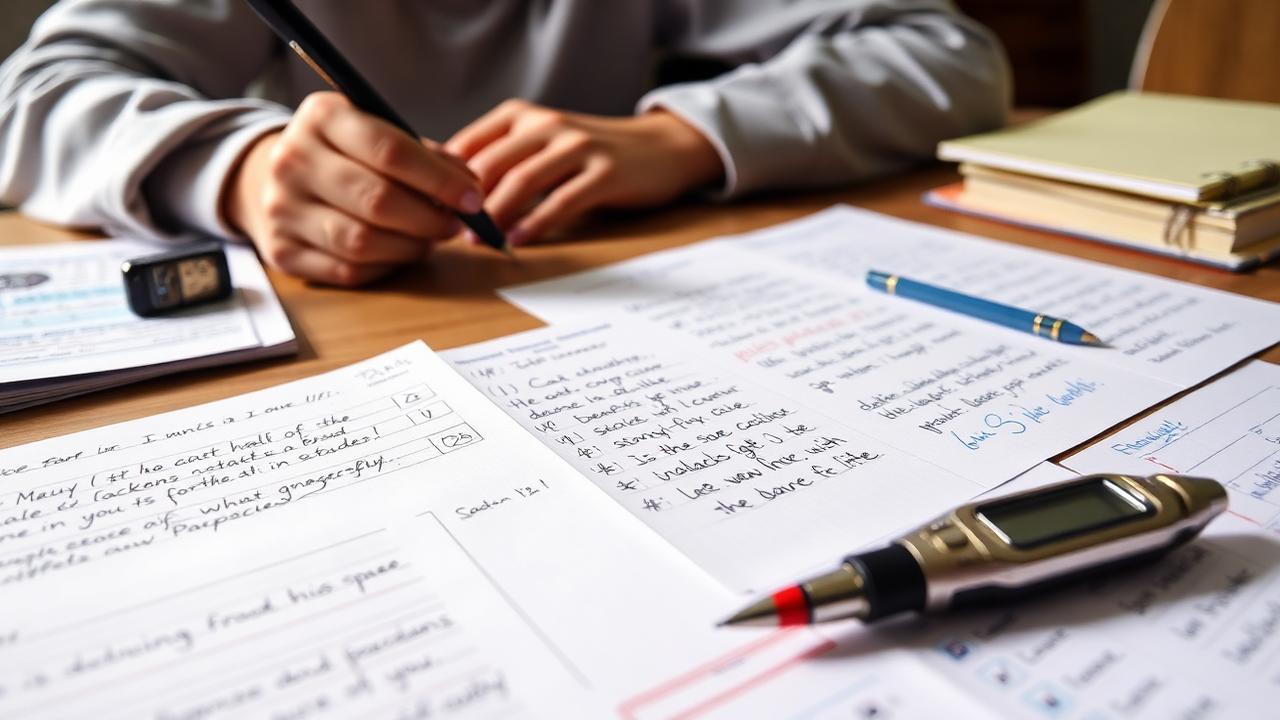
Here is the rule that changed my results: anything you will read more than twice should exist on paper.
Photocopying 20 pages costs less than the data you burn re-opening the same PDF five times, and paper survives everything. I kept a slim folder with three things: my summary notes, a page of formulas, and past questions. That folder worked in a dark hostel, in a bus, and once in a barber's shop.
| Situation | What to reach for | Why |
|---|---|---|
| No light, phone at 40% | Paper notes + torch | Zero battery cost |
| No data, laptop charged | Downloaded PDFs offline | You already have it |
| No light, no data, no charge | Recall practice out loud | Your brain is the device |
| Light restored | Charge everything, rebuild pack | Prepare for the next round |
Study by recall, not by reading
The best no-power study method costs nothing at all: close your notes and explain the topic out loud, as if teaching a JSS3 student. Then open the paper and check what you got wrong.
That is active recall, and it works better than re-reading even when you do have light. When my phone died completely during second semester exams, I spent 40 minutes talking to my wall about enzyme inhibition. I scored higher on that question than on anything I had read comfortably.
Try this cycle:
- Pick one topic. Say everything you remember, out loud, for two minutes.
- Open the notes. Mark what you missed with a star.
- Wait 20 minutes. Explain only the starred parts again.
- Move on.
Three cycles is a solid hour of study with no electricity involved.
Power strategy: treat your battery like ₦
Your phone battery is money and you must budget it.
- Charge whenever there is light, even for 15 minutes. Do not wait until you "need" it.
- Buy a power bank before you buy anything else optional. A 10,000mAh bank around ₦8,000–₦12,000 will outlive three semesters and pay for itself in printed pages you no longer need.
- Put the phone on airplane mode while reading a downloaded PDF. It roughly doubles usable reading time and kills notifications at the same time.
- Reduce brightness and use dark mode for reading at night. Your eyes and battery both benefit.
- Never study with 100 tabs open. Each one is quietly draining you.
Data strategy: download in bulk, read offline
Data disappears fastest in small, repeated bits — opening the same PDF, streaming a 40-minute lecture twice, scrolling while "researching."
Fix it with three habits:
- Bulk-download on campus Wi-Fi or during night plans. Most networks sell cheap night bundles; use them for downloads only, not scrolling.
- Save YouTube lectures offline instead of streaming. One download beats three streams.
- Take screenshots of key slides in group chats immediately, before the media expires and you have to re-download.
What to do with a completely dead phone
It happens. Light has been gone for two days, the power bank is flat, and there is no generator.
This is when you find out whether you understand your course or just recognise it. Sit with paper and a pen and do this:
- Write out everything you know about one topic from memory. No looking.
- Draw the diagrams. Label them badly, then correct them later.
- Write five questions you would set if you were the lecturer, and answer them.
- Rewrite your formula sheet by hand. Copying formulas by hand plants them deeper than reading them ten times.
I once did an entire night of Statistics revision with a candle and a jotter. Not romantic. Very effective.
The reading spot matters more than the light
If your hostel is dark and hot, do not force it. Two hours in a bearable place beats five hours of suffering.
- Read outside where there is a security light or street light, if it is safe.
- Use the department building or a lecture hall that keeps a generator on in the evening.
- Church and mosque halls are often quiet and lit at odd hours.
- Faculty libraries during the day are free light, free air and free silence.
Move to where the power is instead of waiting for the power to come to you.
Build the habit that makes blackouts boring
The whole point is to become a student for whom NEPA is irrelevant. That takes three small habits:
- Sunday pack: download and print what you need for the next two weeks.
- Charge on sight: never see light and not plug in.
- Recall over reading: default to explaining out loud, which needs no device.
Do those three for one semester and you will notice something funny — your friends will complain about light and you will barely register it, because your notes are on paper and your revision method lives in your head.
The transformer will fail again. Your reading does not have to.
What is the one thing you always need light or data for — and could you move it onto paper this weekend?