How I Finally Learned to Read Textbooks Without Sleeping Off
I used to fall asleep three pages into any textbook. Here is the exact reading routine that fixed it — built for Nigerian students, hot rooms and NEPA included.
5 min read
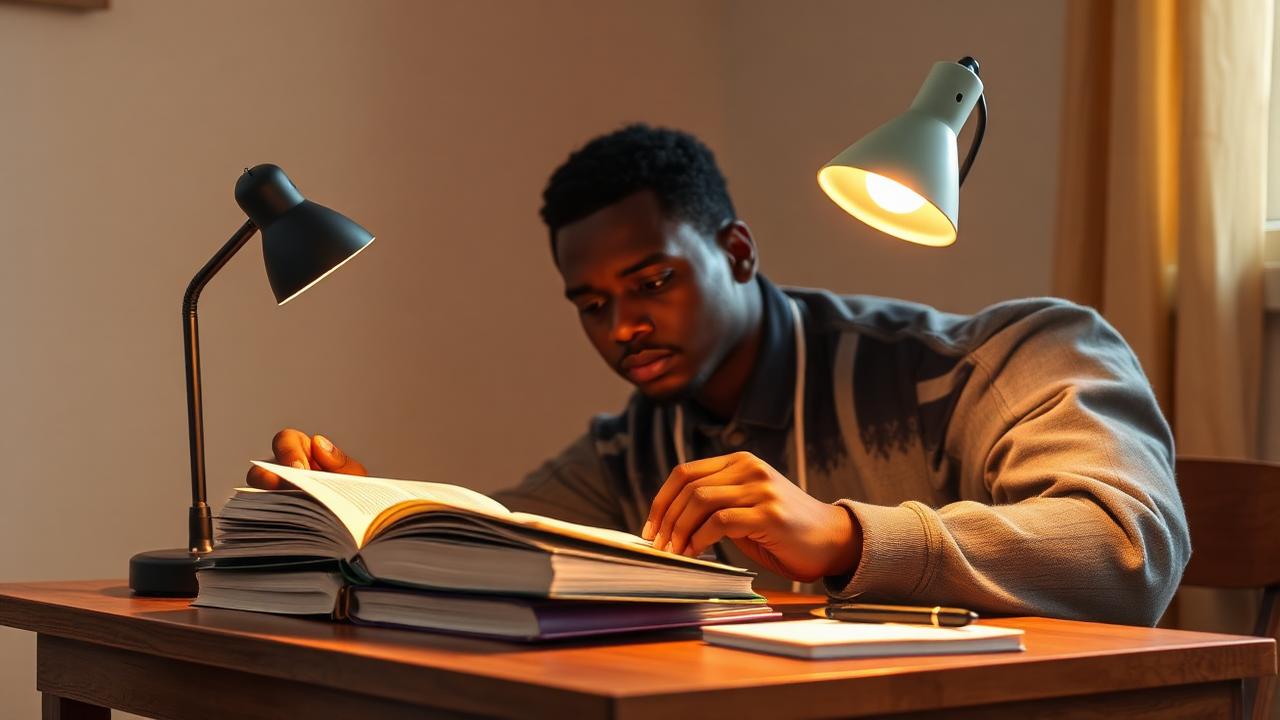
In my second semester of 100 level, I sat down at 8pm with a 700-page Biology textbook, a bottle of cold water and real intentions. I woke up at 11:40pm with page 214 stuck to my cheek and my neck bent like a question mark. I had "read" for almost four hours and could not tell you one thing I saw.
If that has ever been you, I want you to hear this clearly: you are not lazy and you are not dull. You were doing something that makes almost everybody sleep — reading passively. Your eyes were moving. Your brain had checked out. The body does what the brain does, and a bored brain shuts the shop.
Here is what actually changed things for me.
Why textbooks put you to sleep
Sleep during reading is rarely about tiredness alone. It is about three things stacking up.
One: no job. When you read without a task, your brain has nothing to hold. It is like sitting in a lecture where the lecturer is reading slides word for word. You drift.
Two: heat and posture. Lying on a bed in a hot room after rice and stew is a sleeping position, not a reading position. Your body is not confused. You gave it a bed.
Three: no visible progress. A big textbook has no scoreboard. Two hours in, you feel like you have moved nowhere, so motivation dies and drowsiness fills the space.
Fix those three and the sleeping problem mostly disappears.
Step 1: Turn every reading session into a question hunt
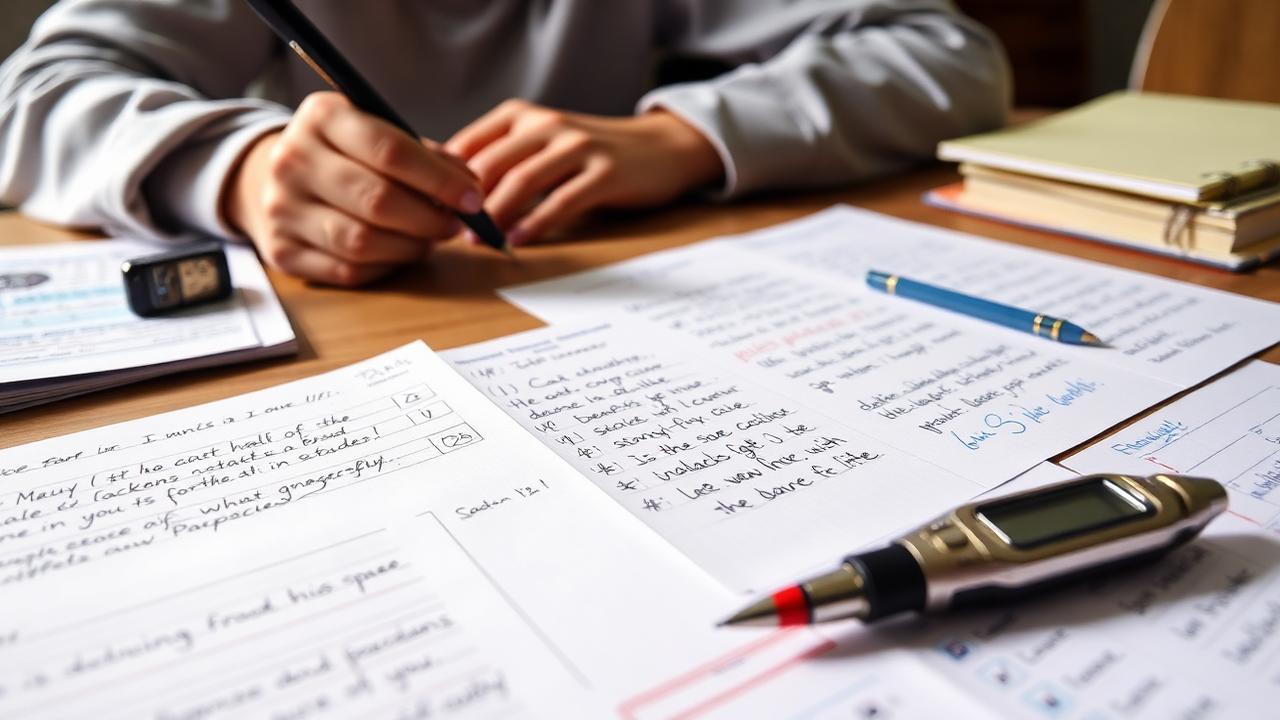
Before I open any chapter now, I write three to five questions on a piece of paper. I get them from the chapter headings, the summary at the end, or past questions.
If the heading says "Mechanism of Enzyme Action", my questions become:
- What exactly is an enzyme doing to the substrate?
- What are the two models and how do they differ?
- What would a lecturer ask about this in a theory question?
Now I am not reading. I am hunting. The moment reading becomes a search, your brain stays awake, because it is checking every line against a target. This one change cut my sleeping-off by more than half.
Step 2: Read in 25-minute blocks, standing up for the hard ones
I read in blocks of 25 minutes with a five-minute break. During the break I stand, drink water, and walk to the corridor. No phone — the phone break turns into forty minutes and kills the session.
For the hardest chapters, I read the first pass standing, textbook on a table or on top of my box. It is uncomfortable, and that is exactly why it works. You cannot doze standing up.
| Situation | What I do |
|---|---|
| Fresh, difficult chapter | Stand, read aloud softly, 25 minutes |
| Revision of familiar material | Sit at a desk, write recall notes |
| Very hot afternoon | Read outside or in a corridor with airflow |
| No light (NEPA) | Rechargeable lamp on the table, phone face down and away |
Step 3: Talk to the page
This is the strange one and the most useful one. I read with my mouth moving — quietly, not disturbing anybody, but audibly enough that my ears hear me. Then after each paragraph, I say one sentence in my own words: "So this one is just saying enzymes lower the energy needed for the reaction."
If I cannot say that sentence, I did not understand the paragraph, and I read it again. That is the test. Not "did my eyes reach the end of the page" but "can my mouth explain it".
Reading aloud also physically keeps you awake. You cannot speak and doze at the same time.
Step 4: Close the book and write what you remember
At the end of every 25-minute block, I close the textbook and write, from memory, everything I can recall on a blank page. Bullet points. Ugly handwriting. No peeping.
Then I open the book and check what I missed. The gaps are what I read again.
This is called active recall, and it feels harder than reading. That difficulty is the entire point — the struggle is what makes the memory hold. Rereading a highlighted page feels productive and teaches you almost nothing.
Step 5: Give yourself a scoreboard
I stopped saying "let me read Biology tonight". Too big, no end point, guaranteed discouragement. Instead:
- Read and recall pages 180 to 195
- Answer five past questions on enzymes
- Write one summary page I can revise in the exam week
When the target is small and countable, you finish it, and finishing releases the energy you need for the next block. Vague goals are sleeping pills.
What about no light and no data?
Real talk, because this is Nigeria and this is half the problem.
Buy or borrow a rechargeable lamp before you buy anything else for reading. Light quality decides whether your eyes are fighting you. A dim phone torch propped on a pillow will have you dozing in fifteen minutes.
When there is no light, I switch to what I call cheap mode: past questions and my own summary notes, written by hand, no scrolling, no data. Heavy chapters are for daylight and lamp hours. Recall work is for candle-level light and quiet moments.
And when NEPA takes light in the middle of a good session, do not treat it as the end of reading. Stand outside, and recite what you just read to yourself in the dark. That five minutes of recall is worth more than the twenty pages you were about to skim.
A full session, start to finish
This is my actual routine, if you want to copy it directly:
- Two minutes: write three questions from the chapter heading.
- Twenty-five minutes: read standing or at a desk, mouth moving, one summary sentence per paragraph.
- Five minutes: close the book, write everything remembered.
- Five minutes: walk, water, no phone.
- Repeat twice more, then stop for the day.
Three blocks like that beat six hours of the sleeping-off method. I know, because I did six hours of the sleeping-off method for a whole session and my GPA reflected it.
The mindset shift that mattered most
I stopped measuring my reading in hours and started measuring it in questions I could answer. Hours are a lie you can tell yourself while dozing. Questions are a receipt.
The day I could take any topic and say out loud, without opening the book, "this is what it means, this is why it matters, this is how they will ask it" — that was the day reading stopped being a fight with sleep and became work I could actually finish.
So tell me honestly: when you sit down to read tonight, will you be hunting for answers, or just hoping the pages enter your head on their own?