How to Handle a Difficult Roommate as a University Student
How to Handle a Difficult Roommate as a University Student. A detailed, practical SmartStudent NG guide for Nigerian students.
3 min read
How to Handle a Difficult Roommate as a University Student
Living with a roommate can make university life easier, cheaper, and more social. It can also become a major source of frustration when two people have different standards for noise, cleanliness, visitors, sleep, food, privacy, or shared expenses. A difficult roommate situation does not always require a dramatic confrontation. Often, expectations simply need to be discussed clearly.
Identify the actual problem
Describe the behaviour rather than labelling the person. “You are inconsiderate” is vague. “You often play loud music after midnight when I have an early class” identifies a problem that can be solved.
Discuss important expectations early
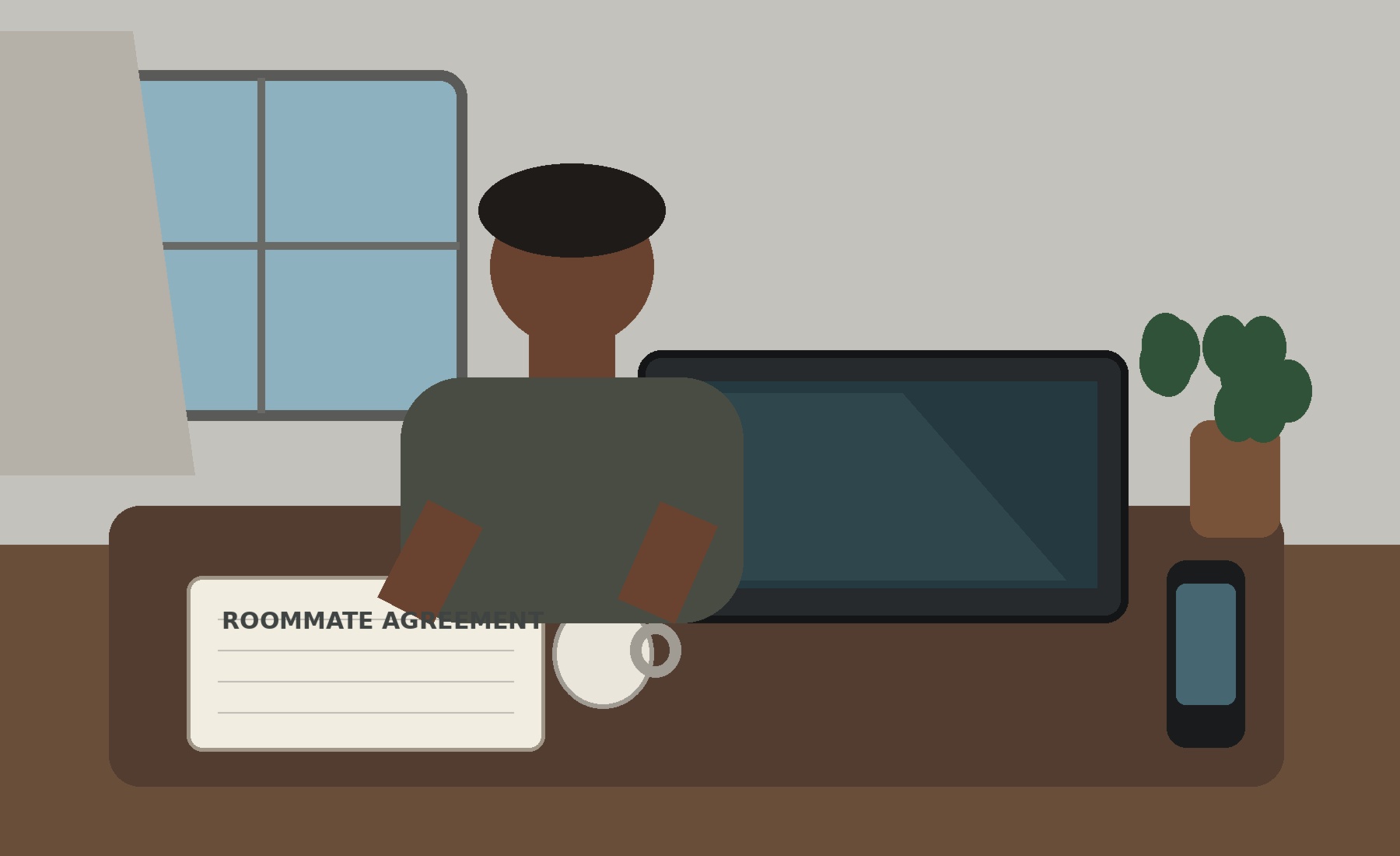
If possible, agree on sleeping hours, study periods, cleaning, visitors, shared items, food, noise, security, electricity or other shared costs, borrowing belongings, and privacy before small disagreements become major conflicts.
Choose the right moment
Do not start a serious conversation when either person is angry. Wait until you can speak calmly. The goal is problem-solving, not winning.
Talk about impact
Explain the effect rather than attacking character. When the room stays noisy late at night, you may struggle to sleep and concentrate the next morning. That gives the other person something concrete to respond to.
Agree on practical rules
If noise is a problem, agree on quiet hours. If cleaning is a problem, divide responsibilities. If visitors are a problem, agree on reasonable notice and boundaries. If shared expenses are involved, record what each person paid.
Protect your belongings
Keep important documents, money, devices, academic materials, and valuable items secure. Respect your roommate's belongings as well. Clear boundaries prevent many avoidable disputes.
Handle food and shared purchases carefully
Decide what is shared and what is personal. If you buy something for yourself, communicate clearly when it is not communal. If household supplies are shared, decide how costs will be handled.
Deal with passive-aggressive behaviour directly
Leaving notes, making indirect comments, or involving other roommates can increase tension. If something bothers you, address it respectfully with the person involved.
Know when compromise is not appropriate
Compromise works for ordinary differences. It does not mean accepting threats, harassment, theft, serious intimidation, dangerous behaviour, or conduct that puts you at risk. If a situation becomes unsafe, involve the appropriate university, accommodation, security, welfare, or trusted support channels.
Avoid escalating online
Do not turn a roommate disagreement into a public social-media argument. Messages written in anger can be misunderstood and can make later resolution harder.
If the problem continues
After discussing the issue, observe whether anything changes. If the same problem continues, have another calm conversation and refer to the specific agreement. If necessary, seek mediation through the appropriate accommodation or university process. Keep records of serious recurring problems, particularly those involving money, property, harassment, or safety.
Protect your academic life
A difficult room can consume attention that should go toward your education. Create alternative study locations when possible, such as a library, quiet classroom, study area, or another safe environment.
Final thought
A good roommate relationship does not require identical personalities. It requires clear boundaries, respect, communication, and reasonable consideration. Address small problems before resentment grows, describe behaviour rather than attacking character, and seek appropriate help when a situation becomes unsafe or seriously harmful.